

Storm Water Inspection & Maintenance Blog
Out of Sight, Out of Budget: Underground Storm Water Vault Maintenance in California
The most expensive storm water problems on your property are the ones you cannot see. Underground detention vaults, connector pipes, and underground treatment systems sit below grade, off the daily walk-through, and off most maintenance schedules. That holds right up until they fail during a storm...
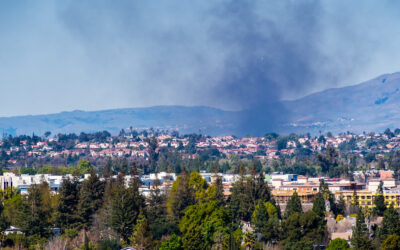
Post-Fire Stormwater Risk in California: What Property Managers Need to Do Before October
Post-fire stormwater California risk does not arrive with the flames — it arrives with the first rain. If you manage a commercial property, an industrial site, or an HOA community near a California burn area, the months after fire season are when your storm water infrastructure faces conditions it...
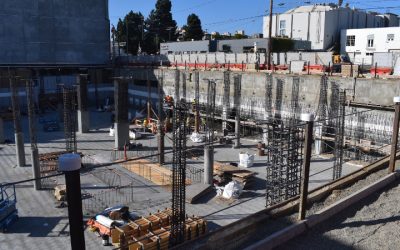
Dewatering on California Construction Sites: What Every Project Manager Needs to Know Before Breaking Ground
If your Northern California project involves below-grade work, foundation excavation, or any site condition that puts you in contact with groundwater, dewatering is not a problem you solve with a pump and a hose on the day it shows up. It is a permit-required, monitored, documented compliance activity. Dewatering services Bay Area contractors trust are booked around lead times most project managers underestimate. The Regional Water Quality Control Board governs where that water can go, and authorization takes weeks, not days. PMs who plan dewatering before they break ground stay on schedule. The ones who discover it after excavation begins are already behind.

Soil Stabilization on California Construction Sites During the Dry Season
Summer is when California construction sites go out of compliance quietly. Active grading slows, exposed soil sits unattended, and the compliance clock keeps running whether or not rain is in the forecast. If you manage a Northern California site, soil stabilization California construction...

Why Developers Are Specifying Trash Capture Devices at the Plan Stage
If you are a developer or engineer working on new construction in California, trash capture device developer specification is no longer a post-construction afterthought — it is a plan-stage decision that directly affects your project timeline, budget, and compliance posture. The developers who...

California’s 2030 Trash Capture Deadline — A Complete Compliance Guide
The trash capture 2030 deadline is one of the most significant regulatory milestones in California storm water history — and it is approaching faster than most municipalities and property owners realize. By December 1, 2030, every permitted storm water system in the state must achieve 100% full trash capture compliance or demonstrate equivalent load reductions through an approved alternative pathway. There is no extension. There is no grace period. And the penalties for noncompliance are real.

How to Choose the Right Full Capture Device for Your California Project
If you manage storm water infrastructure in California, you already know the 2030 full trash capture deadline is not a suggestion — it is a regulatory requirement. But knowing you need a full capture device and knowing how to choose a full capture device that actually performs in the field are two...

Connector Pipe Screen vs. Catch Basin Insert — Which Is Right for Your Project?
If you are evaluating full capture devices for your storm water system, the connector pipe screen vs. catch basin insert decision is one of the most important choices you will make. Both devices are designed to capture trash and debris before they reach local waterways, but they work differently,...

Is Your Storm Drain Service Actually Checking for Compliance?
Most storm drain service companies clean the drain. The good ones also protect you from regulatory risk. That distinction matters more than many property managers realize. A truck can vacuum out sediment and still leave you exposed if there is no record of what was found, how much was removed, or...