

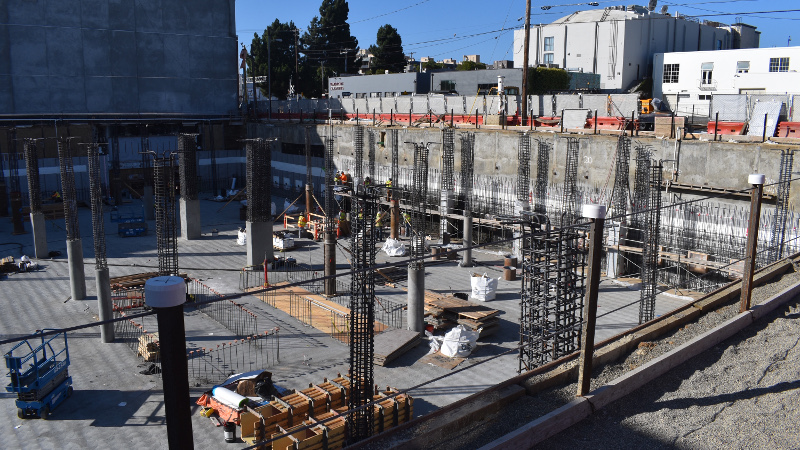
If your Northern California project involves below-grade work, foundation excavation, or any site condition that puts you in contact with groundwater, dewatering is not a problem you solve with a pump and a hose on the day it shows up. It is a permit-required, monitored, documented compliance activity. Dewatering services Bay Area contractors trust are booked around lead times most project managers underestimate. The Regional Water Quality Control Board governs where that water can go, and authorization takes weeks, not days. PMs who plan dewatering before they break ground stay on schedule. The ones who discover it after excavation begins are already behind.
You have managed a SWPPP before. You know what a BMP is and what a QSP does. But complex dewatering is often the first time a project manager runs into the Regional Water Board’s discharge permitting process directly, and it does not forgive late planning. Here is what California requires, why the timeline matters more than most people expect, and how to fold dewatering into pre-construction compliance instead of treating it as an emergency.
Why Dewatering Is a Compliance Decision, Not Just a Site Operation
It is tempting to treat dewatering as a logistics problem: water is in the hole, you need it out, you rent a pump. But the moment that water leaves your excavation and enters a storm drain, a surface water body, or the ground, you have crossed from site operations into regulated discharge. In California, that discharge is the business of the Regional Water Quality Control Board, and an unauthorized discharge is a permit violation.
This is the distinction that catches experienced PMs off guard. You are not just moving water. You are introducing water of a particular quality and volume into a receiving environment the state is obligated to protect. Sediment, pH, turbidity, and any contaminants the groundwater picked up underground all become your responsibility the moment you pump. The Regional Water Board does not accept “we didn’t know” as a mitigation, and it does not treat a schedule crunch as a reason to skip authorization.
Treating dewatering as a compliance decision from the start changes how you plan. Instead of “how do I get the water out,” you ask where the water is allowed to go, what the state needs to see before it goes there, and how long that approval takes. Those questions belong in pre-construction planning. They do not belong in a panicked call after the excavator hits the water table.
What California Requires: Regional Water Board Permits and Authorizations
California construction dewatering that discharges to a storm drain, surface water, or the ground typically requires a Waste Discharge Requirement (WDR) or a Low Threat Discharge Authorization from the applicable Regional Water Quality Control Board. Which pathway applies depends on the volume, the quality of the groundwater, and where the water will ultimately go. There is no version of this where you legally pump first and sort out the paperwork later. Unauthorized discharge is a violation, and enforcement in California is active.
For most projects pumping clean groundwater, the Low Threat Discharge Authorization is the common pathway. But “low threat” is a regulatory determination the Board makes after reviewing your application, not a label you assign yourself. The Board still needs to see what you are discharging, how much, where it is going, and what treatment or monitoring you have in place.
Higher-volume discharges, or any discharge where contamination is possible, move into more complex permitting under a WDR. The California State Water Resources Control Board coordinates the regional boards that issue these authorizations, and each regional board applies the framework to its watershed. The takeaway for a PM: the permit you need is not generic. It is specific to your site, your water, and your discharge point. That is why it cannot be a last-minute form.
How Long Does Dewatering Permitting Actually Take in California?
This is the question that decides whether dewatering helps your schedule or wrecks it. A Low Threat Discharge Authorization (the most common pathway for clean groundwater dewatering) typically requires 6 to 8 weeks from complete application submission to authorization. In most cases, that timeline cannot be expedited. The Board has a review process, and a project’s urgency does not move it to the front of the line.
Read that lead time carefully: it runs from a complete application. If your submission is missing information, the clock effectively restarts when you supply it. The real-world timeline often runs longer for teams who submit a thin application and then trade revisions with the Board.
The risk is straightforward. If you break ground, excavate, and hit groundwater before you have applied, you face two bad options: halt the excavation and wait out the authorization, or discharge without it and accept a permit violation. Neither is acceptable on a project with a financing schedule and a general contractor’s timeline riding on it. Late planning is the single biggest dewatering risk on California construction sites. Not the equipment, not the volume. The timeline.
Potentially contaminated groundwater raises the stakes further. Sites near former industrial operations, gas stations, or areas with known groundwater quality issues require more complex permitting, and may need groundwater sampling before discharge authorization is granted. Sampling adds its own lead time on top of the application review. If there is any chance your site sits in one of these conditions, that assessment needs to happen early.
Discharge Pathway: Where Does the Water Actually Go?
Every dewatering plan has to answer one question first: where does the water go? That decision drives your permit pathway, treatment requirements, and monitoring obligations. It is an engineering judgment, not a default. Getting it wrong can mean redesigning your discharge approach after you have already started. The common options each carry different requirements:
- To the storm drain system: Discharging to an MS4 storm drain means your water has to meet the receiving system’s standards; sediment and turbidity controls are almost always required.
- To surface water: Discharging to a creek or channel raises the bar on quality. These waters are directly protected, and authorization typically comes with monitoring conditions and stricter limits.
- To the ground (infiltration): Returning water to the ground can be viable, but it depends on soil conditions, depth to groundwater, and whether the water quality is suitable for infiltration without degrading the aquifer.
In practice, most construction dewatering runs the pumped water through settling or filtration (Baker tanks, weir tanks, or sediment controls) before it reaches the discharge point, so it meets the conditions the authorization requires. Choosing the right pathway and treatment benefits from someone who has made the call on dozens of California sites, because the cost of guessing wrong is rework on a live schedule.
How Dewatering Integrates with Your SWPPP and QSP Program
Dewatering does not live in a separate compliance silo. It has to be reflected in your Storm Water Pollution Prevention Plan. The SWPPP must identify the dewatering discharge location and the treatment method, and this cannot be added at the last minute without a SWPPP amendment and the associated QSP documentation.
That ties everything in this article together. The discharge pathway you choose, the treatment you deploy, and the monitoring you commit to all have to appear in your SWPPP, and your Qualified SWPPP Practitioner has to document the dewatering activity as part of the site’s compliance record. If dewatering surfaces after the SWPPP is approved, you are not just applying for a discharge authorization. You are also amending an approved plan and generating new QSP documentation, on a schedule that no longer has room for it.
This is why dewatering belongs in the same pre-construction conversation as your BMP installation and erosion controlplanning. When the team reviewing your SWPPP also understands the dewatering pathway and the Regional Water Board process, the discharge plan, treatment method, and documentation all get built in from the start instead of bolted on. One plan, one practitioner, one compliance record.
SWIMS Dewatering Services for Northern California Projects
This is where experience separates a smooth dewatering program from a stalled one. SWIMS has managed complex dewatering across Northern California — including a $60M dewatering project for client Andrew Barreto that involved intricate dewatering logistics, permitting coordination, on-site training, and QSP oversight. That is not a generic vendor claim. It is a high-stakes record on exactly the kind of work this article describes.
Andrew Barreto put the working relationship plainly:
“Having SWIMS manage our erosion control, dewatering and anything else related to erosion services is pretty much automatic here. They are reliable and responsive in addition to really knowing their stuff. We trust their guidance when it comes to the best way to approach a project and don’t have to babysit them — even their billing is prompt and accurate. We value the relationship we have with SWIMS.”
For Northern California construction projects, SWIMS provides the full dewatering scope under one relationship: SWPPP integration for dewatering activities, Regional Water Board coordination and application support, discharge pathway assessment, equipment deployment and operation, and inspection documentation. The team that helps you choose your discharge pathway is the same team that supports your Board application, integrates the activity into your SWPPP, runs the equipment, and documents the work for your compliance record.
One important boundary: SWIMS dewatering services are available in Northern California only, operating from the company’s Brentwood, CA headquarters. Dewatering is a construction service, and SWIMS construction services are not offered in Southern California. If you are managing a Northern California project, that local focus is the point: guidance from a team that has worked the regional boards in this part of the state for decades.
Frequently Asked Questions
Do I need a permit to dewater a construction site in California?
In nearly all cases, yes. California construction dewatering that discharges to a storm drain, surface water, or the ground typically requires a Waste Discharge Requirement (WDR) or a Low Threat Discharge Authorization from the applicable Regional Water Quality Control Board. Discharging without authorization is a permit violation. The specific pathway depends on your discharge volume, the groundwater quality, and where the water ultimately goes.
How long does it take to get a dewatering discharge authorization?
A Low Threat Discharge Authorization (the most common pathway for clean groundwater dewatering) typically takes 6 to 8 weeks from complete application submission to authorization, and in most cases it cannot be expedited. Because the clock runs from a complete application, missing information extends it. Projects with potentially contaminated groundwater require more complex permitting and may need groundwater sampling first, adding lead time. Plan the application well before you break ground.
What happens if I dewater without a Regional Water Board authorization?
It is a permit violation, and the Regional Water Board does not accept lack of awareness as a mitigation. An unauthorized discharge can also force you to halt excavation, which is exactly the schedule disruption you were trying to avoid. The reliable path is to identify the dewatering need during pre-construction planning and apply early enough that authorization is in hand before excavation reaches groundwater.
Does dewatering need to be in my SWPPP?
Yes. Your SWPPP must identify the dewatering discharge location and treatment method, and this cannot be added at the last minute without a SWPPP amendment and the associated QSP documentation. Because dewatering is tied to your SWPPP and your Qualified SWPPP Practitioner’s records, it is best planned alongside your BMP installation and erosion control program rather than handled as a separate, late-arriving task.
Planning a Northern California project with below-grade work or groundwater exposure? Talk to SWIMS before you break ground. With 26 years of California storm water experience and a record on complex, high-stakes dewatering projects, SWIMS can walk you through the Regional Water Board permitting pathway, integrate dewatering into your SWPPP, and handle the equipment and documentation — so dewatering is part of your compliance plan, not an emergency. Call (866) 967-9467 or request a free assessment at swimsclean.com.