

Storm water systems aren’t glamorous, but when they stop working, everyone notices. In California, these systems play a vital role in public safety and environmental protection. Comprehensive storm water system maintenance takes more than a yearly glance at the catch basin. It takes structure, consistency, and the right support.
Why Comprehensive Storm Water System Maintenance Matters
When a storm rolls in and runoff begins to surge through curbs and culverts, your system either manages it or buckles under the pressure. That difference starts with how well the system has been maintained throughout the year. Comprehensive storm water system maintenance is a year-round responsibility that protects infrastructure, natural resources, and people.
In California, there’s even more at stake. With regulatory frameworks like the Industrial General Permit (IGP) and Construction General Permit (CGP) setting strict standards, routine maintenance isn’t optional. It’s mandatory. Facilities and construction sites must follow specific protocols, often including monitoring, documentation, and timely reporting. Skimping on maintenance can mean costly repairs, project delays, or fines no one wants to see in the mail.
The Nuts and Bolts of Comprehensive Storm Water System Maintenance
A good storm water system isn’t built once and forgotten. It’s a living, breathing network of drains, filters, basins, and treatment devices that need regular attention. Neglect leads to clogs. Clogs lead to backups. Backups lead to complaints, citations, and damage.
Comprehensive storm water system maintenance includes:
-
Catch basin cleaning to keep debris from blocking flow
-
Trench drain maintenance to ensure surface runoff moves freely
-
Sediment removal from basins and vaults
-
BMP upkeep, like bioswales and detention ponds
-
Trash capture system checks, to meet state mandates
Each of these pieces contributes to an efficient, functional storm water management strategy. Skip one and the whole system starts to wobble.
The Role of Trash Capture
California takes trash capture seriously. Local and state agencies are prioritizing full trash capture, and the requirement is as straightforward as it is strict: systems must retain all solids 5 millimeters and larger.
It might seem like a small detail, but it has big implications. That size includes cigarette butts, food wrappers, bottle caps, and other everyday litter that pollutes storm water and ends up in creeks, rivers, and beaches. Part of comprehensive storm water system maintenance is ensuring that trash capture devices are working as intended and cleaned out before they overflow.
If you haven’t looked at your full trash capture setup lately, now’s a good time to check in. With enforcement ramping up in many areas, you don’t want to be caught unprepared.
BMPs and Why They Need Love Too
Best Management Practices (BMPs) are the workhorses of modern storm water design. From grassy swales to sand filters to detention basins, BMPs help slow, filter, and absorb runoff before it reaches sensitive ecosystems.
But here’s the thing: BMPs don’t maintain themselves. Bioswales fill with silt. Infiltration trenches get compacted. Even the most thoughtfully designed features degrade over time if they’re not maintained. Comprehensive storm water system maintenance means checking BMPs regularly, repairing them as needed, and making sure they’re functioning as designed.
California’s regulatory agencies expect BMP maintenance to be documented in inspection reports, annual summaries, and on-site records. And if something isn’t working, they expect it to be fixed.
Permits, Paperwork, and the Price of Noncompliance
There’s no shortcut when it comes to stormwater permits in California. Both the IGP and CGP require documentation of inspections, maintenance, and performance. That means your system doesn’t just need to work, it needs to be tracked, logged, and reported on.
Failing to follow through can lead to more than water pooling where it shouldn’t. Regulatory agencies have the authority to issue violations, stop work orders, or impose monetary penalties.
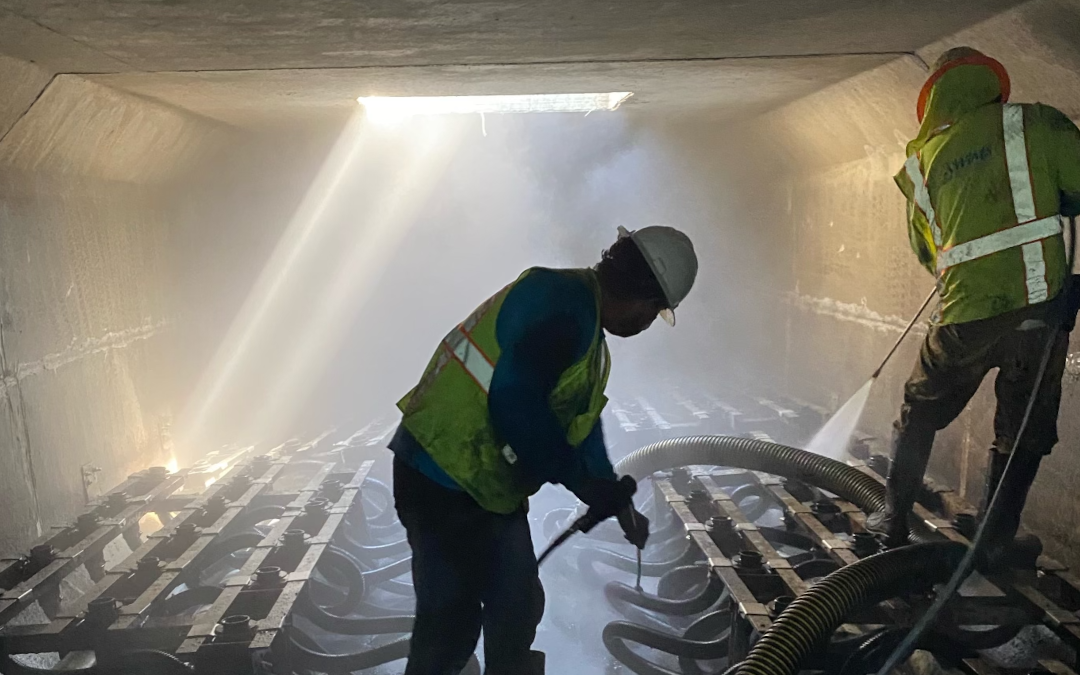
Comprehensive storm water system maintenance protects your business from legal headaches. It’s peace of mind with a pressure washer and a spreadsheet.
What a Maintenance Plan Should Include
A well-rounded maintenance plan isn’t written in a day, but once it’s in place, it can save time, money, and frustration.
Here’s what it should cover:
-
Monthly inspections during the wet season (October through April), with adjustments after storms
-
Annual inspections of all stormwater infrastructure
-
Scheduled cleaning of catch basins, trench drains, and vaults
-
Trash capture system checks and debris removal
-
Sediment monitoring and removal as needed
-
BMP-specific upkeep, like replanting vegetation or removing excess buildup
-
Pressure washing of filtration units or vaults
-
Use of vactor trucks to remove sludge from large devices
-
Documentation of everything, stored onsite and ready for audit
-
Annual reports, submitted to the appropriate agencies per permit conditions
This list isn’t exhaustive, but it covers the major moving parts. Missing even one of these elements can throw the whole system off balance.
Street Sweeping and Pressure Washing Aren’t Optional
Some people still treat sweeping and surface cleaning like aesthetic extras. In truth, they’re frontline tools in keeping pollutants out of storm drains. Street sweeping removes metals, oil, trash, and sediments before they can wash into the system during a rain event.
Pressure washing, when used on filters, grates, vaults, and trench drains, helps restore flow and function. Especially in industrial areas or near construction zones, regular cleaning helps extend the lifespan of storm water equipment.
Comprehensive storm water system maintenance means doing the dirty work before it turns into a costly emergency. Think of it like brushing your teeth; if you skip it too many times, you’re paying for a root canal.
Coordination with Local Resources
Maintaining a storm water system doesn’t have to be a solo mission. California has resources at every level to support property owners, developers, and municipalities.
-
Caltrans offers guidelines and examples from highway systems and state-managed properties.
-
The California State Water Resources Control Board provides updates on permits, reporting deadlines, and technical documentation.
-
Municipal stormwater programs often offer inspection templates, local compliance rules, and co-permit details.
-
Professional stormwater maintenance companies like SWIMS Clean can provide full-service inspection, cleaning, and reporting to keep you on track.
Getting plugged into these networks can save hours of guesswork and streamline your reporting.
It Pays to Stay Ahead
Routine maintenance might not make the headlines, but it keeps the wheels turning. A storm water system in top shape is more than compliance—it’s protection against flooding, damage, and bad PR.
Facilities that stay on top of inspections and documentation tend to avoid costly fines. They also build trust with local inspectors, regulators, and the public. When your records are clean and your systems work, people notice.
Final Word
Comprehensive storm water system maintenance is part science, part habit, and part common sense. Stay proactive, keep your documentation tight, and work with professionals who know what they’re doing. It’s worth every penny.
Let’s Keep It Flowing
Need someone to manage the grime so your site stays fine? SWIMS Clean is ready to help. We handle inspections, maintenance, trash capture, and all the rest. Reach out today and let’s keep your system running like clockwork.